
Bhubaneswar: The Maha Kumbh Mela 2025 became a major economic driver for Uttar Pradesh. Historical records from the 1882 Kumbh Mela reveal that the event, organised at a cost of Rs 20,228 then, generated Rs 49,840 in revenue, yielding a net profit of Rs 29,612. Building on this tradition of economic impact, Maha Kumbh 2025 was projected to bring in an astounding Rs 25,000 crore, or more, in revenue for the state.
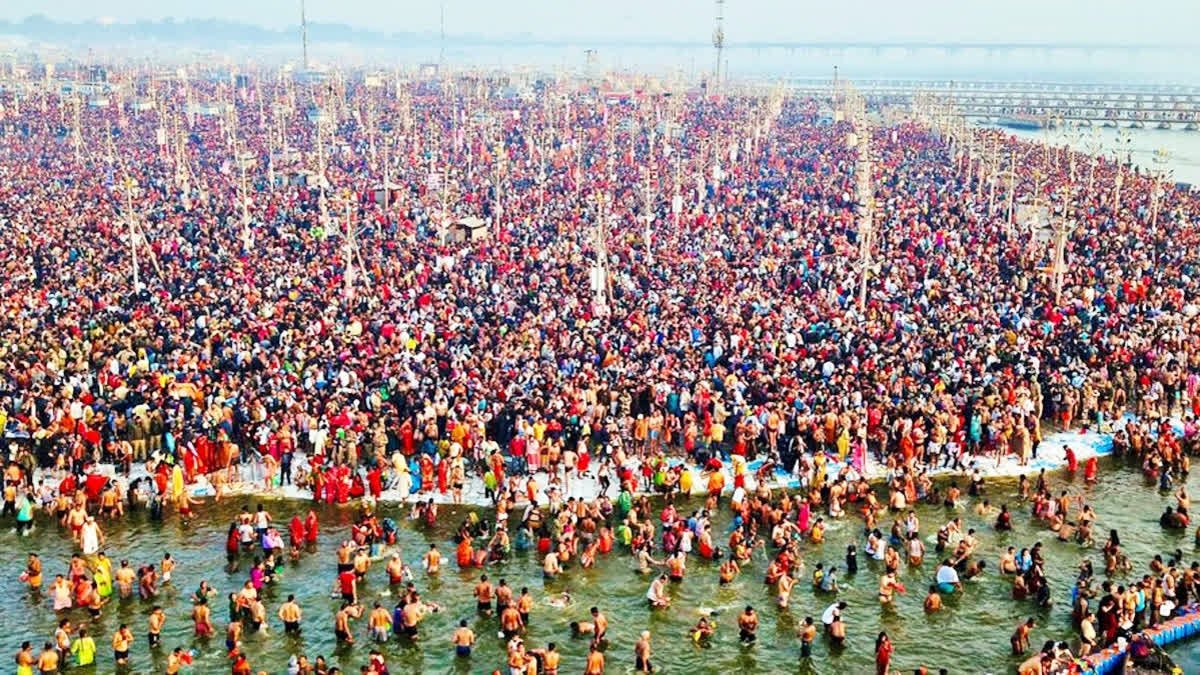
But the scene is now completely changed. A massive 66 crore devotees thronged the venue—Prayagraj (formerly known as Allahabad).
The Maha Kumbh’s economic significance is undeniable. It has substantially boosted both state and national economies. Held every 12 years, the Maha Kumbh Mela attracted crores of pilgrims and tourists to Prayagraj and transformed it into a vibrant hub of faith and celebration.
The Maha Kumbh served as a powerful driver of economic growth, creating jobs, enhancing tourism, supporting local enterprises, and contributing significantly to India’s overall development.
The Uttar Pradesh government, in collaboration with the Central government, allocated Rs 1500 crore for the event—for infrastructure and related projects.
The event provided a substantial boost to tourism, local businesses, and employment. As many 45,000 families got jobs just for the preparations for the Kumbh. The effect also extended to nearby destinations like Varanasi, Ayodhya, Mathura, and Vindhyavasini Dham, promoting regional tourism.
Notably, in line with its 2022 tourism policy, the state is enhancing visitor experiences by training service providers such as tour guides, boatmen, street vendors, and drivers. . The policy aims to create 10 lakh jobs and attract Rs 20,000 crore in investments, reflecting a long-term vision for tourism development.
Spanning 4,000 hectares, the Maha Kumbh area was divided into 25 sectors, featuring 12 km of ghats, 450 km of checkered plates, 1,850 hectares of parking, 30 pontoon bridges, and 67,000 streetlights. The arrangements included 150,000 toilets, 150,000 tents, and 25,000 public accommodations for millions. A dedicated workforce of 10,000 sanitation workers maintained cleanliness throughout the event. The infrastructure upgrades included 199 completed projects across 16 departments, such as a six-lane bridge over the Ganga and a four-lane railway over-bridge, built at a cost of Rs 275 crore to enhance connectivity.
Environmental sustainability was a core priority, with a “zero discharge” policy for rivers and a detailed action plan for major bathing festivals, including Paush Purnima, Makar Sankranti, Mauni Amavasya, Basant Panchami, Magh Purnima, and Mahashivratri. Modernisation efforts include a first-of-its-kind partnership with Google, enabling the temporary tent city to appear on Google Maps for seamless navigation.
The Maha Kumbh 2025 has left a lasting legacy in Prayagraj, uplifting local businesses, creating jobs, and enhancing living standards. With its blend of tradition and innovation, spirituality and sustainability, the event promises to be a historic milestone of cultural and economic significance.
The Maha Kumbh Mela 2025 spanned an expansive 10,000 acres, featuring 80,000 tents and a 12-kilometre-long ghat. With an estimated 66 crore devotees attending the event, it is estimated to have generated anywhere between Rs 3.5 lakh to Rs 4 lakh crore economic turnover basing on the estimate on an average spending of Rs 5,000 per person, covering expenses such as airfare, taxi and bus fares, accommodation, food, and local travel, which significantly boost the local economy.
Notably, this figure excludes additional purchases like souvenirs and clothing, underscoring the event’s immense economic potential.
The significant economic activity driven by tent accommodations, priced between Rs 1,500 and Rs 15,000 per person, alongside associated food expenses.
Various sectors will benefit from this surge in consumption. For instance, approximately 10,000 boats from states like West Bengal, Bihar, Madhya Pradesh, Uttar Pradesh, Rajasthan, and Gujarat will operate during the event, earning boat operators at least Rs 1,000 daily.
Employment generation was substantial, with the management of 145,000 toilets requiring at least three workers per toilet daily and the setting up and maintenance of 80,000 tents involving around four workers each, creating approximately 40,000 jobs.
Parking arrangements for five lakh cars alone generated over one lakh jobs.
Tourism’s multiplier effect is a key driver of economic boom. Each tourist visit indirectly supports the employment of four individuals across sectors like transportation, hospitality, and food services. Uttar Pradesh’s tourism sector is poised for extraordinary growth, with a 40% increase in activity compared to the previous year.