
Paris, Nov 30: Twenty countries, including India, the US and China, will today launch an initiative to double their clean energy research and development budget over the next five years as part of global efforts to tackle climate change.
The total amount of money being committed by these 20 countries – under Mission Innovation — amount to USD 20 billion, about half of which would come from the US, White House officials said.
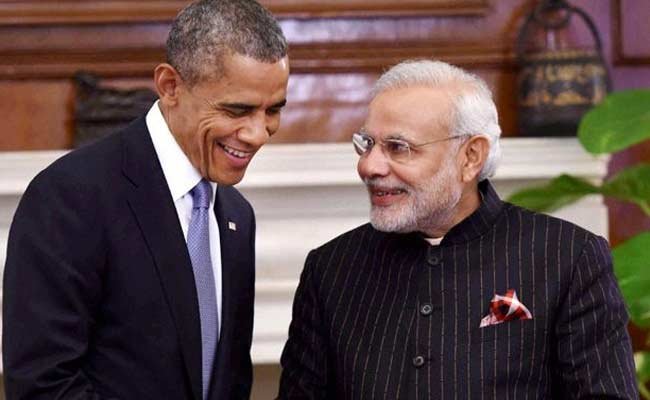
A formal announcement of the initiative is expected later in the day at a meeting attended by US President Barack Obama, Prime Minister Narendra Modi and French President Francois Hollande along with other leaders from the private and public sector.
These additional resources will dramatically expand the new technologies that will define a future global power mix that is clean, affordable and reliable, the White House said.
Other participating countries include France, Germany, Australia, Brazil, Canada, Chile, Denmark, Indonesia, Italy, Japan, South Korea, Mexico, Norway, Saudi Arabia, Sweden, the UAE and the UK.
These 20 countries accounts for over 80 per cent of global clean energy R&D.
Noting that Individual countries will focus on clean energy efforts that suit their needs, like energy efficiency or reducing hydro fluorocarbons, US Energy Secretary Ernest Moniz said in the US’ increase in funding, about 15 per cent per year starting in 2017, would rely on Congress.
Spearheaded by Bill Gates, ‘Breakthrough Energy Coalition’ is a global group of private investors that will take the risks to allow the early stage energy companies that emerge from the research programmes of Mission Innovation countries to come out of the lab and into the marketplace.
The 12-day Paris climate conference will, for the first time in over 20 years of UN negotiations, aim to achieve a legally binding and universal agreement on climate, with the aim of keeping global warming below 2°C over pre-industrial temperatures.
Scientists estimate that if the world warms by more than 2°C on average above pre-industrial levels by the end of this century, the effects of climate change will become catastrophic and irreversible.
A 2°C limit has long been the goal of UN climate conferences, and current pledges from all countries are estimated to lead to warming of 2.7 °C to 3°C, although the proposed deal has a provision for increased emissions cuts in future.
Before the talks, countries like China and India have laid out plans for cuts or curbs to their emissions. These will form the centre piece of any deal.
The most difficult issues include working out how to share the burden of taking action between rich and poor nations, how to finance the cost of adapting to global warming and the legal format of any final text.
With more than 180 countries having already submitted their plans to reduce the harmful emissions that cause climate change, Obama expressed optimism over the success of the Paris Summit.
Ahead of the summit, Prime Minister Modi had said that it is the responsibility of all to work against global warming.
UN Chief Ban Ki-moon underlined the need for a durable universal deal to address rising green house gas emissions.
Twenty countries, including India, the US and China, have already decided to launch an initiative to double their clean energy research and development budget over the next five years as part of global efforts to tackle climate change.