
Delhi: November 25:
Adolescents and youth form the backbone of India’s demographic dividend, yet academic pressures, social isolation, and digital influences increasingly test their resilience. The National Education Policy 2020, the National Suicide Prevention Strategy 2021, and subsequent UGC and Ministry of Education guidelines have collectively underscored the urgent need for counselling services, inclusive campuses, and accountability mechanisms.
Mental well-being is not only a social imperative but also an economic one, as highlighted in the Economic Surveys of 2023–24 and 2024–25, which stress that a healthy student population is essential for sustaining national productivity.
2nd National well-being conclave
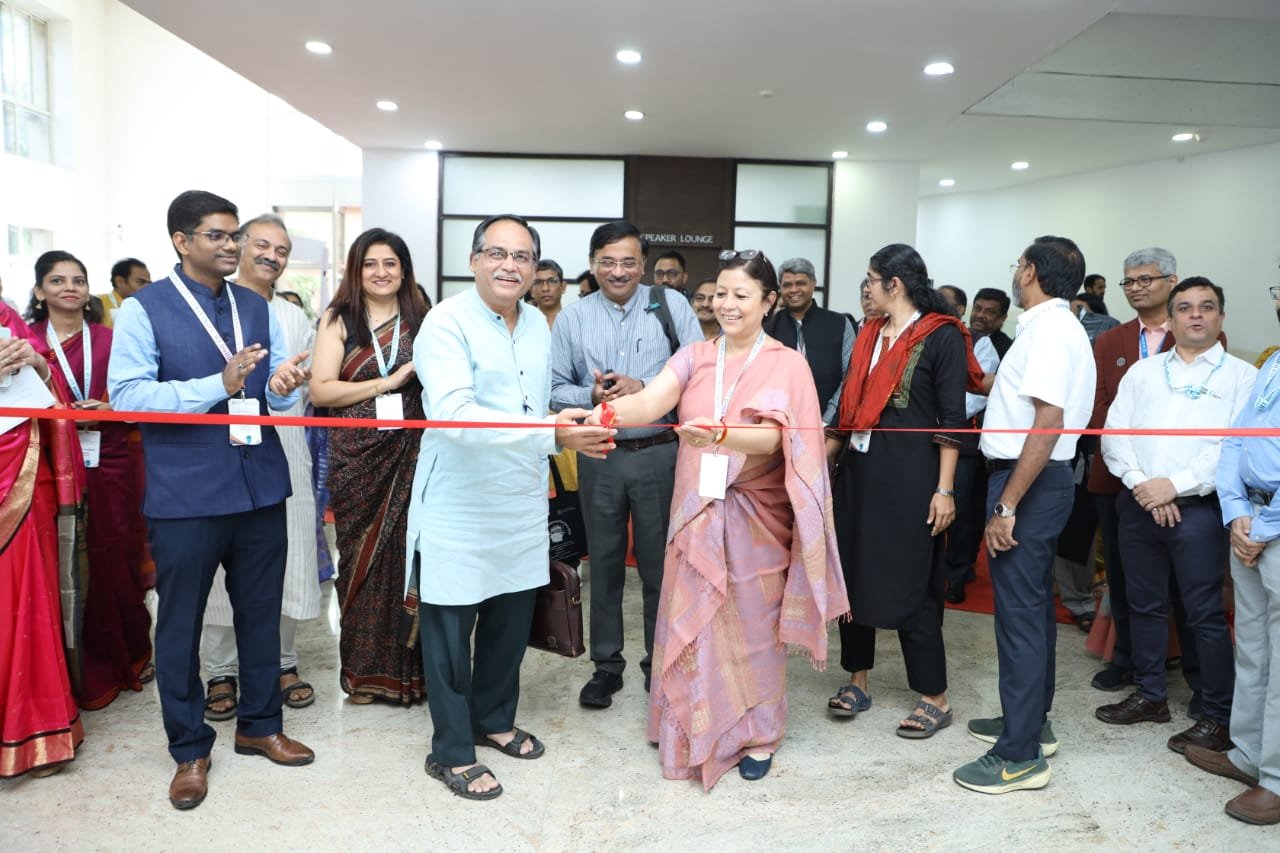
The 2nd National well-being conclave concluded successfully at the Indian Institute of Technology (IIT) Bombay on 22–23 November 2025. Organised in collaboration with the Department of Higher Education, Ministry of Education, the conclave brought together around 80 Higher Education Institutions (HEIs), 115 faculty members, and 139 students. The event advanced the national agenda of embedding mental health, resilience, and wellbeing into higher education systems, building on the momentum of the inaugural conclave held at IIT Hyderabad in 2024.
The two-day programme began with an inaugural session at the convocation hall, featuring the felicitation of dignitaries and a ceremonial lamp-lighting.
Also Read: IBM To Collaborate In Education, Research And Innovation In India: Union Minister Dharmendra Pradhan
Dr. Vineet Joshi, Secretary, Department of Higher Education, Ministry of Education, delivered remarks, followed by Prof. Shireesh Kedare, Director, IIT Bombay, who delivered the opening address, and Prof. Manoj Singh Gaur, Director, IIT Jammu, who emphasised the importance of institutionalising student mental wellbeing.
A key highlight was the release of the “Compendium of emerging best practices of well-being across the country 2.0”, which documents replicable models from institutions nationwide.
Day 1 included a wellness exhibition, symposiums, and panel discussions highlighting counselling systems, peer mentorship networks, digital well-being tools, and institutional roles in promoting student well-being.
The seminar on “The future of well-being in Indian Higher Education” discussed the evolving role of institutions. In contrast, the panel on “Thriving minds: From academic growth to lifelong well-being” examined how emotional resilience can be integrated into academic and personal growth.
Afternoon sessions included topics like “Policy frameworks for well-being: From National guidelines to campus implementation”, “Early identification and intervention of psychosocial concerns” and “Collaborative mental health frameworks”
Experts highlighted the need for proactive institutional mechanisms, early support systems, and inter-institutional partnerships to create sustainable impact, strengthen support systems, and embed well-being into academic culture.
Day 2 began with a campus walkathon that emphasised the link between physical and mental well-being, followed by breakaway workshops for students and faculty on life skills, peer support, counselling competencies, and digital well-being. Student groups later showcased innovative well-being initiatives through presentations.
The conclave concluded with a valedictory ceremony chaired by Ms. Rina Sonowal Kouli, Joint Secretary, Department of Higher Education, Ministry of Education. Final recommendations and the Inter-University action plan for 2025–26 were announced, paving the way for coordinated well-being initiatives across HEIs.
The 2nd National well-being conclave has unified diverse national efforts into a cohesive direction for student and faculty wellbeing and strengthened the foundation for a professional well-being community among faculty across HEIs. By charting a comprehensive action plan for 2025–26, the conclave reaffirmed the commitment to building a resilient, inclusive, and accountable academic ecosystem that places mental health at the core of India’s higher education reforms.